Have you ever had a moment like this: you want to register for an overseas platform account, but get stuck at the “Please enter your phone number” verification step; you want to separate work contacts from your personal life, but don’t want to carry two phones around; or you simply want to leave a contact number for second-hand trading or a temporary project, but don’t want to hand over your real number.
The traditional approach comes down to two options: get another SIM card, or set up a landline. But the former is limited by phone card slots, and the latter feels clunky and outdated in the mobile internet era. In fact, you don’t need either of these things at all. A second phone number can exist solely inside an app—as long as you have an internet connection, you can use it.
This article will clarify this topic: what it is, how it works, who it’s for, and what to look for when choosing a service.
1. What exactly is a phone number without a card?
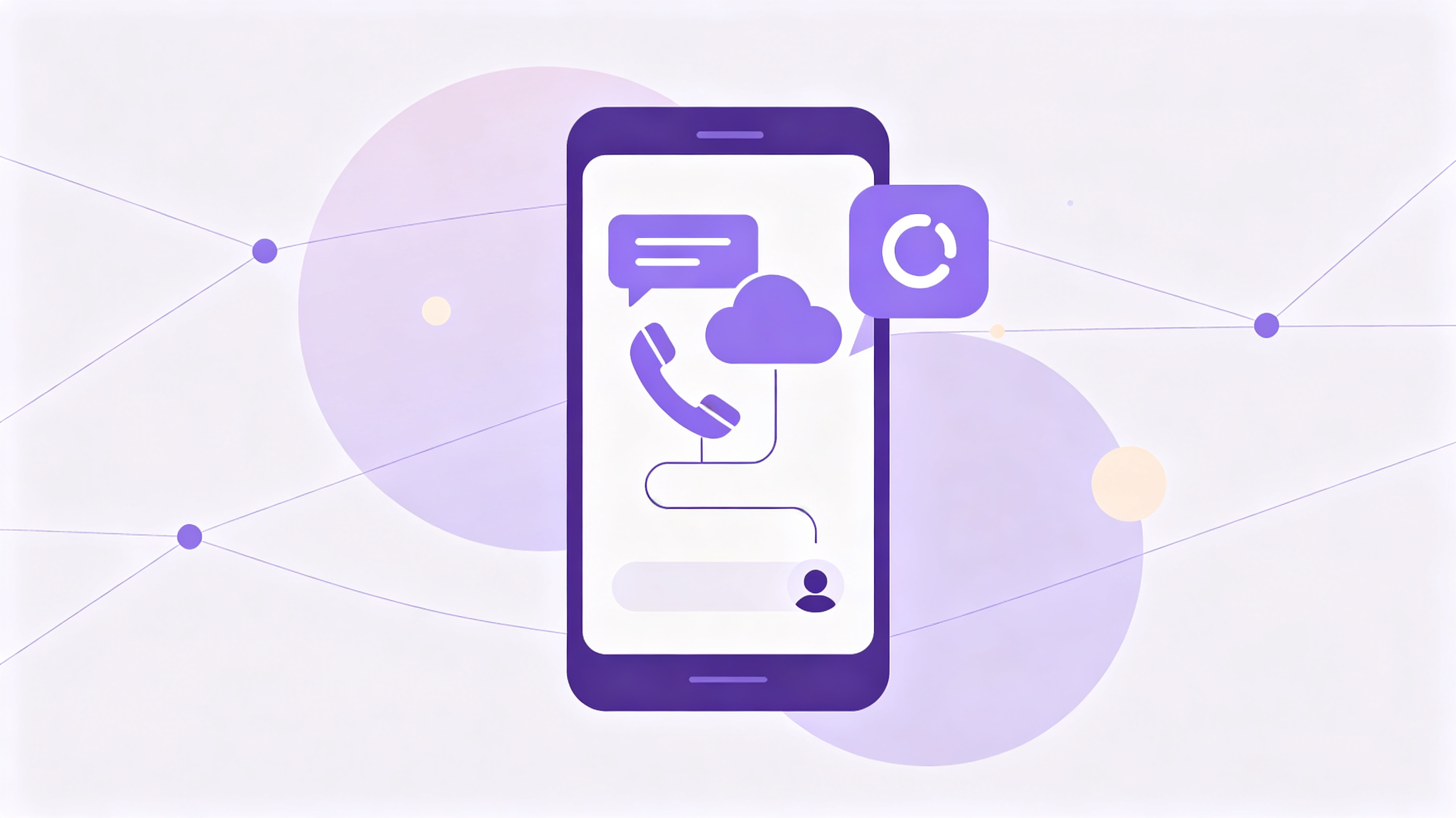
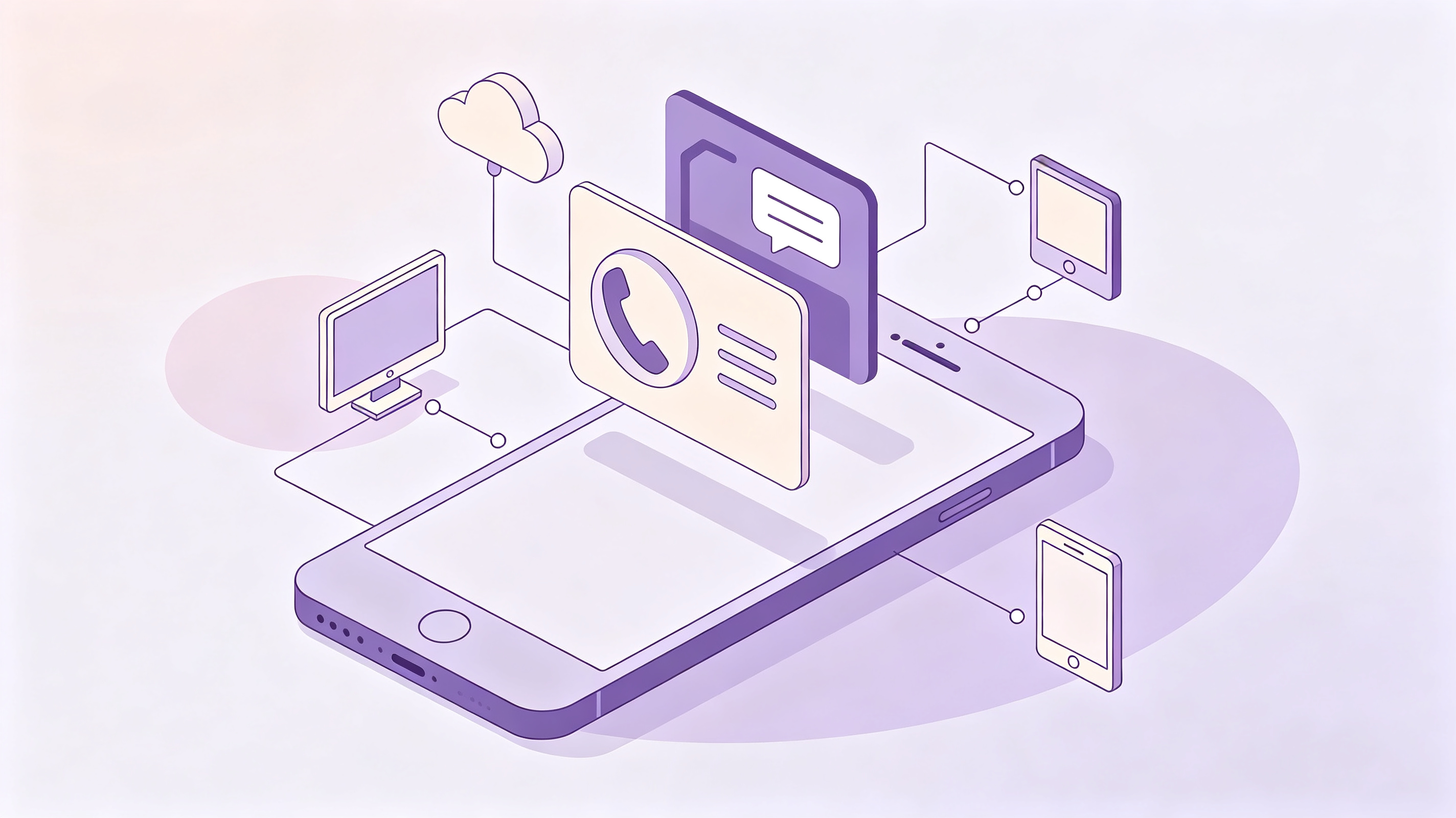
This type of number is usually called a “virtual number” or “second number.” It isn’t tied to any physical SIM card; instead, it’s based on VoIP (Voice over Internet Protocol) technology, which links the number to your app account. Whether you’re using a phone, computer, or tablet doesn’t matter—as long as you have an internet connection, you can make calls and send and receive text messages.
The key point is that the other party still sees a normal local number. For example, if you activate a US number (+1 area code), when a client or friend calls, what they see is an ordinary US local number, and they won’t notice that it’s actually a VoIP call behind the scenes. A physical number is tied to a plastic card, while a virtual number is tied to an account.
This brings a direct benefit: when you change devices or locations, the number follows your account, so you won’t “lose contact” just because you lost your phone or went abroad.
2. Who needs a second number?
The value of a second number often only becomes apparent in scenarios where “you don’t want to use your primary number.” The following types of people use it the most:
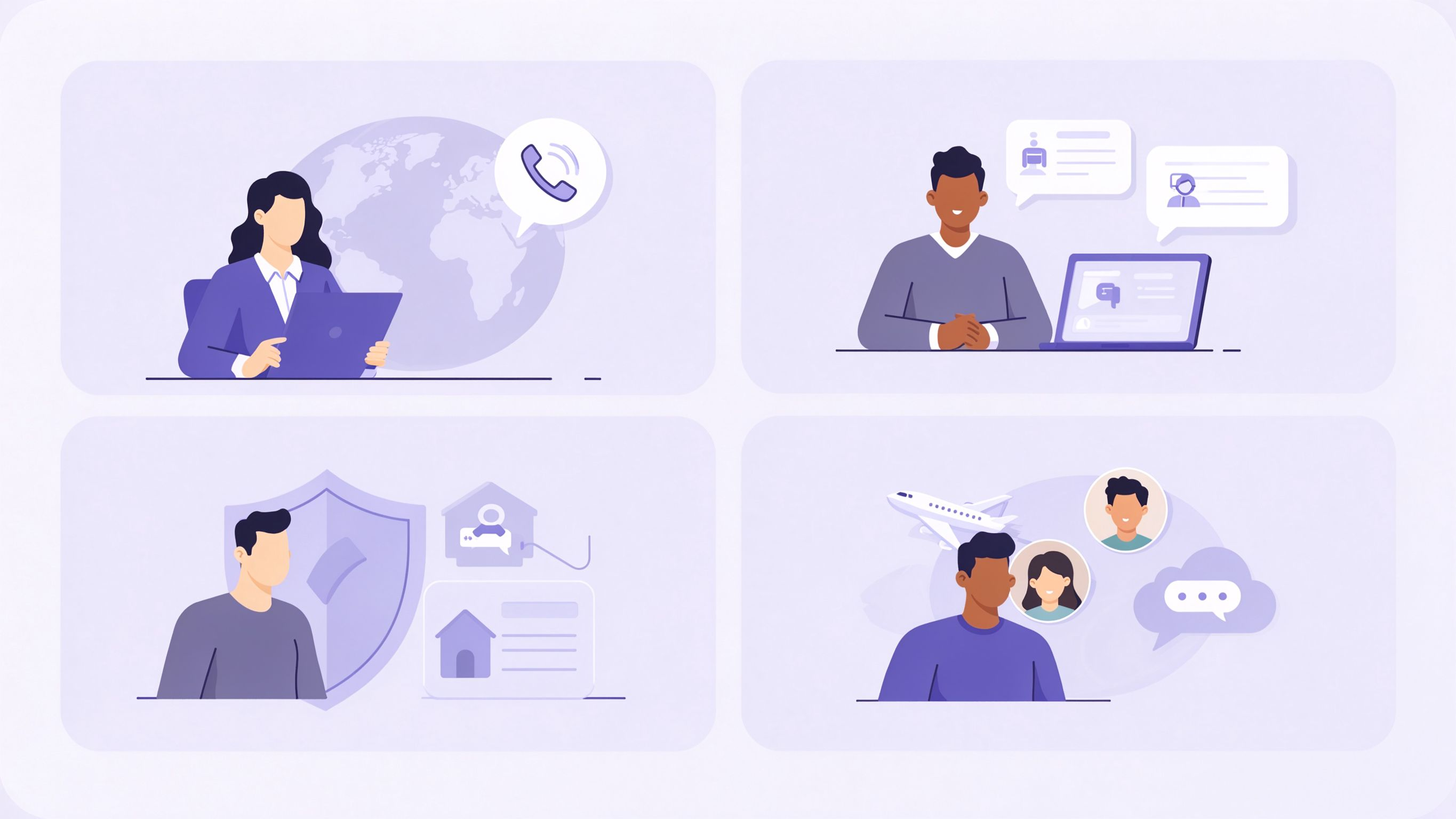
Cross-border business professionals. Foreign trade or cross-border e-commerce sellers configure local numbers in their target markets, and customers are noticeably more willing to answer. A call showing a US or UK local number is far more credible than a string of unfamiliar international numbers.
People who need to separate work from life. Freelancers, remote workers, and small team managers can use a second number specifically for clients and partners, and turn off notifications for that number after work so their personal time isn’t disturbed.
Ordinary users who value privacy. For second-hand trading, apartment viewings, online forms, and short-term projects, leaving a secondary number instead of your primary number reduces the risk of nuisance calls and information leaks at the source.
People who frequently travel abroad or contact overseas friends and family. Using a virtual number for international long-distance calls usually costs far less than carrier roaming, and when the other party calls back, they only pay local call charges.
3. How to choose: four standards you can’t be vague about
There are quite a few second-number apps on the market, but quality varies. Keep an eye on these four points when choosing, and you’ll basically avoid the pitfalls.
Whether the number resources are real. Prioritize providers that offer real local numbers, rather than temporary numbers from “verification code receiving platforms.” Real numbers have more reliable survival rates and a wider range of uses.
Whether the pricing is transparent. How much the monthly fee is, how much each minute of calling costs, and how text messages are billed should all be clear before you buy. Hidden fees are the most common complaint about this type of service.
The ability to receive verification codes. To be honest here: no provider can guarantee 100% receipt of verification codes from all platforms. Banks and social platforms (such as WhatsApp and Google) have stricter risk controls, while e-commerce and logistics platforms are more compatible. Before buying, first confirm whether the platforms you commonly use support virtual number registration—this is more useful than complaining afterward.
Ease of use. Whether the interface is Chinese-friendly, whether it supports Alipay or WeChat recharge, and how many minutes it takes to activate—these details determine whether you’ll actually “use it” or “give up after fiddling with it for ages.”

Take IntBell as an example. It provides local numbers in the US, UK, Canada, Australia, and other places. You can choose a number online and activate it instantly, manage calls and text messages within a single app, pay as you go with transparent pricing, and get full Chinese-language support—making it very easy for domestic users to get started. Activation in 5 minutes with no hardware configuration is the core experience that sets it apart from traditional communication solutions.
4. An easily overlooked detail: numbers are not permanent
Virtual numbers are usually retained through monthly payments. After you stop paying, the number will be reclaimed, and previously linked accounts and information left for contacts will become invalid. If you plan to use a number for a long time, keeping your account balance sufficient is the most basic practice.
In addition, don’t equate a second number with a “disposable number.” Temporary verification codes can be used and discarded, but if you use it to register important accounts or leave it with clients or friends, it should be maintained as a proper number. Managing temporary numbers and long-term numbers separately is the safer approach.
Final thoughts
Not having a landline or extra SIM card slots should not be an obstacle to owning a second number. VoIP technology has lowered the barrier to “download an app, choose a number, and activate it in a few minutes.”
If all you need is a number that can make calls, send and receive text messages, and stay independent from your primary number, a virtual number is currently the lightest answer. And choosing a service like IntBell—with real number resources, transparent pricing, and proper Chinese-language support—can make that answer land more smoothly. After all, the purpose of tools is to make communication simpler, not to create new trouble.